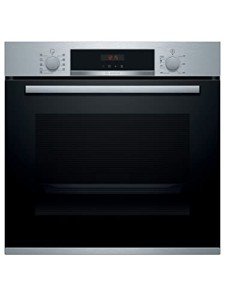
The Comprehensive Guide to Self-Cleaning Oven Features
Self-cleaning ovens have actually changed the cooking experience, including convenience and efficiency to keeping kitchen devices. With the push of a button, property owners can enjoy a tidy oven without the labor-intensive scrubbing and hazardous chemicals typically associated with standard cleaning approaches. This short article digs into the myriad features of self-cleaning ovens, helping customers understand their benefits, operation, and maintenance.
What is a Self-Cleaning Oven?
A self-cleaning oven is an appliance that utilizes heats to incinerate food residues, discolorations, and spills. This function simplifies cleaning by converting particles into ash that can easily be cleaned away. The majority of self-cleaning ovens offer a choice of cleaning modes, allowing users to choose the approach that best fits their requirements.
Types of Self-Cleaning Methods
Self-cleaning ovens typically utilize among 3 approaches: pyrolitic cleaning, steam cleaning, or catalytic cleaning. Each method uses unique benefits and features:
| Cleaning Method | Description | Advantages |
|---|---|---|
| Pyrolitic | This technique includes raising the oven temperature to about 900 ° F( 482 ° C) to convert food residue to ash. | - Effective for hard spots - Almost total elimination of odors |
| Steam Cleaning | Integrates steam and heat to loosen gunk, making it simpler to clean away. | - Lower temperature level reduces energy intake - Shorter cleaning cycle |
| Catalytic | Uses catalytic liners that take in and break down food residue throughout baking. | - No additional cleaning cycle required - More energy-efficient during routine use |
Secret Features of Self-Cleaning Ovens
When choosing a self-cleaning oven, customers ought to understand numerous important features:
Cleaning Cycle Options:
- Heavy-duty cleaning for tough spots.
- Light cleaning for minor spills.
- Quick-clean settings for routine maintenance.
Oven Lock:
- An integrated safety function that locks the oven door throughout the cleaning process prevents unexpected opening.
Temperature level Control:
- Many ovens permit users to adjust temperature level settings, which can be useful depending on the type of cleaning approach picked.
Easy-to-Clean Racks:
- Removable racks created to stand up to high temperatures, allowing more thorough cleaning.
Smart Technology Integration:
- Some modern self-cleaning ovens can be controlled via smart device apps, enabling users to start or keep track of cleaning cycles from another location.
Odor Control:
- Advanced models consist of features to decrease smells throughout the cleaning process.
Benefits of a Self-Cleaning Oven
Owning a self-cleaning oven features numerous benefits that enhance usability and total kitchen area health:
- Time-Saving: The self-cleaning function gets rid of the need for manual scrubbing, freeing up valuable time for other cooking jobs.
- Lowered Use of Chemicals: Self-cleaning ovens reduce the need for severe cleaning agents, promoting a much safer cooking environment.
- Enhanced Hygiene: Regular cleaning lowers the possibilities of germs development from food residues, maintaining a much healthier cooking area.
- Environmental Sustainability: Modern models are created to be energy-efficient, assisting to reduce the carbon footprint connected with cleaning.
How to Use a Self-Cleaning Oven
Running a self-cleaning oven is reasonably uncomplicated, however it is important to follow the producer's guidelines for ideal outcomes. The following actions detail the typical process:
Preparation:
- Remove oven racks and any loose debris.
- Wipe down surface areas to get rid of excess food particles.
Picking the Cleaning Cycle:
- Choose the preferred cleaning mode based upon the level of mess (heavy, light, or fast).
Starting the Cleaning Cycle:
- Press the self-clean button and wait on the oven to lock its door immediately.
Post-Cleaning:
- Once the cycle is complete, wait for the oven to cool off before wiping away the ash with a damp cloth.
FAQs About Self-Cleaning Ovens
Q1: Are self-cleaning ovens safe to use?A1: Yes
, self-cleaning ovens are created with safety features such as door locks and heat-resistant glass, making them safe for usage throughout the cleaning cycle.
Q2: How typically ought to I utilize the self-cleaning feature?A2: It depends upon how regularly you cook. Usually, utilizing the self-cleaning function once every few months suffices, but much heavier users may require more regular cleaning. Q3: Can I leave cleaning materials inside the oven throughout the self-clean cycle?A3: No, all products, such as pots and pans, must be removed before beginning the self-cleaning cycle to avoid damage. click through the up coming website : Do self-cleaning ovens take in more energy than conventional ovens?A4: While the cleaning cycle does require
heats, contemporary self-cleaning ovens are created to be energy-efficient. The energy intake can be comparable and even less than conventional cleaning methods when considering the time conserved and chemicals avoided. Self-cleaning ovens represent a significant improvement in cooking area technology, improving the often-dreaded task of oven maintenance. With different cleaning methods
, practical features, and substantial benefits, these ovens are a property for any modern kitchen area. As consumers become increasingly concentrated on efficiency and sustainability, accepting self-cleaning ovens might just be the right choice for families looking to simplify cooking while promoting cleanliness and hygiene. Highlighting the significance of familiarizing oneself with the features and best practices related to these ovens guarantees that users can completely value their benefits, causing a more satisfying and hassle-free cooking experience.